Applications » Ceramic » R&D
3D Printing for Research and Academic Applications
Accelerate innovation and develop custom applications with our 3D printed ceramic on an open parameters system.
For R&D, innovation requires both speed and flexibility—qualities that ceramic 3D printing delivers. Ceramic materials, known for their thermal stability, mechanical strength, and chemical resistance, are ideal for high-performance testing and applications requiring durability.
Prodways offers R&D teams the flexibility of open parameters on our machines, enabling you to experiment with alternative materials or develop your own.
The modular build platform of Prodways’ CERAM PRO series provides further versatility, allowing you to scale your research from small prototypes to larger, complex parts. With Prodways’ advanced ceramic 3D printing technology, you can push the boundaries of research and achieve precision, material integrity, and the ability to withstand extreme conditions.

Drive innovation: Utilize Ceram Pro printers for versatile applications in diverse industries.


Standardize processes: Integrate ceramic 3D printing into certified workflows for precision.

Prodways’ Ceram Pro series leverages cutting-edge ceramic 3D printing technology, ideal for research and development needs that require high material performance, mechanical strength, and precision. Ceramic printing provides unmatched resolution and customization options, making it ideal for advanced R&D projects across various industries.
Researchers and academic institutions can benefit from the versatility and reliability of the Ceram Pro series, tailored to meet the most demanding R&D requirements.
Prodways printers can create molds, make biocompatible devices or deliver market-ready, end-use parts. To understand the differences and learn which printer is best for your needs, talk with an expert. We’ll design a solution that’s right for you.

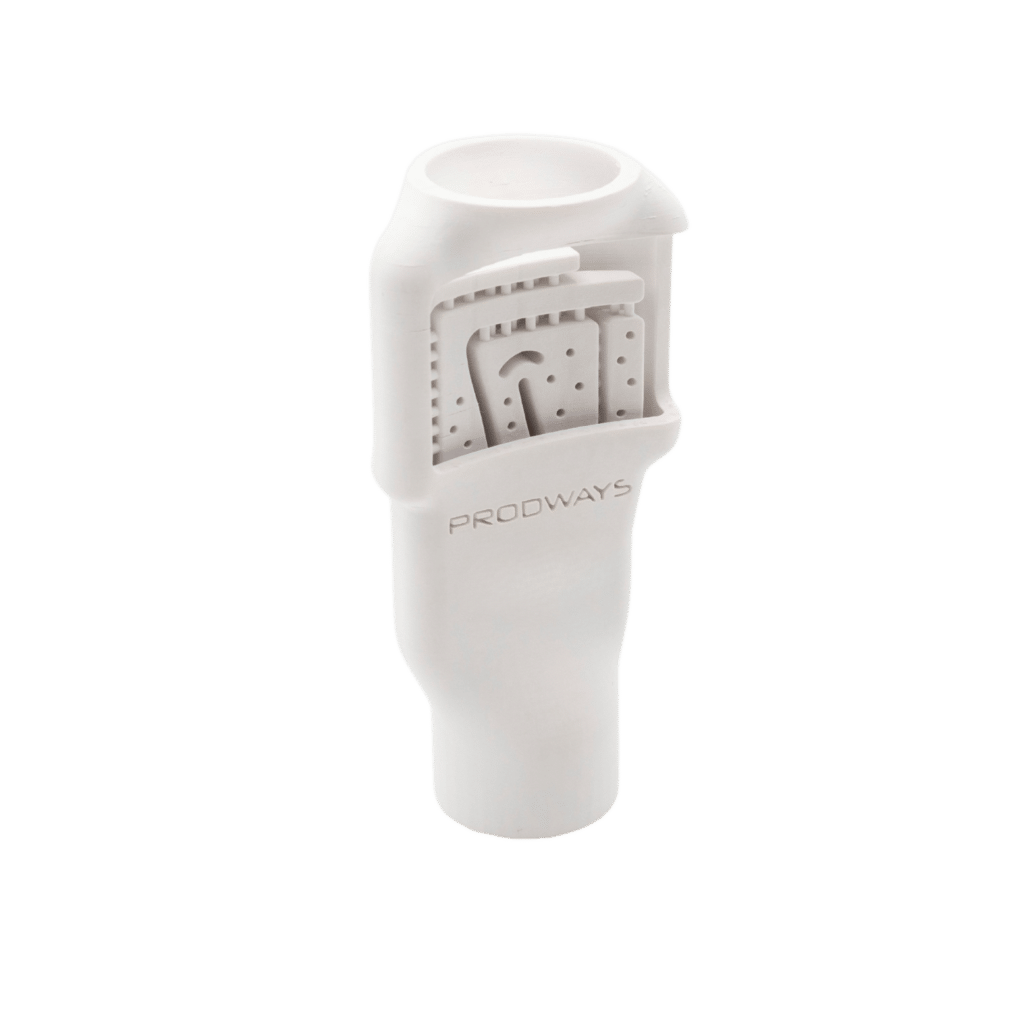
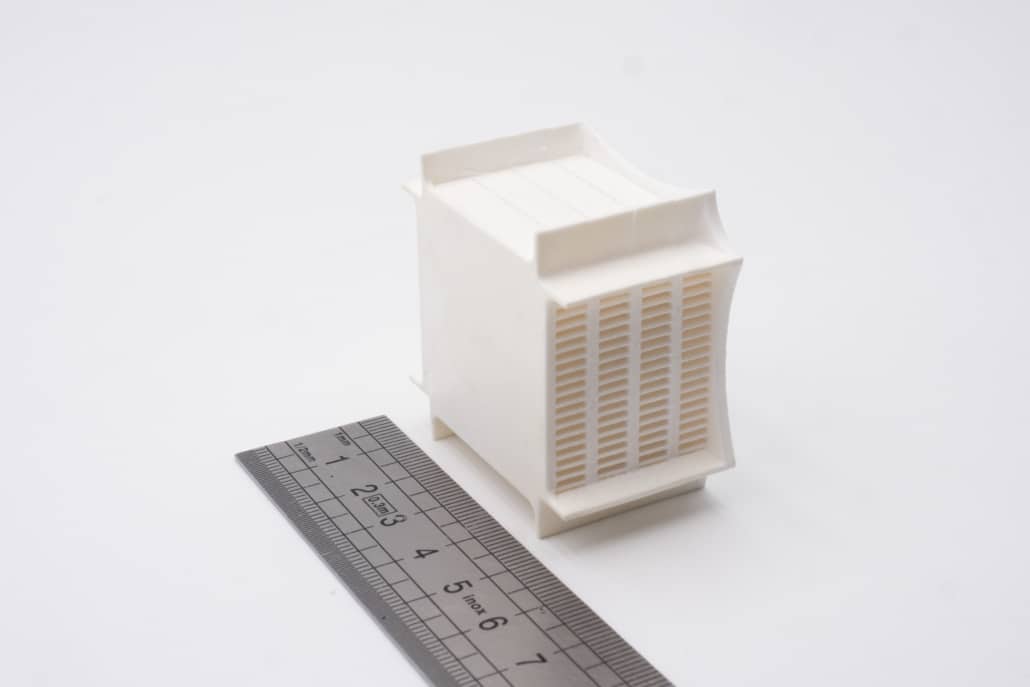
Prodways Printers puts 3d printing research at the center of its solutions for developing advanced materials and parts. Our researchers and partner universities are using CERAM PRO printers for printing highly intricate structures suited for engineering applications. Flexible processes allow testing of different methods and materials, measuring hardness, and optimizing mechanical performance of printed parts.
Our systems also reduce emissions and control costs while accelerating research studies on new applications including the creation of prototypes for the manufacturing industry. By using light layer printing, each printer ensures maximum precision, opening new opportunities for 3d printing research and high potential projects in the field of innovation. The hours spent on testing help improve support and technology for additive manufacturing of increasingly complex parts.
This advanced approach shows how 3d printing research applied to ceramic can transform applications in the industry and create new possibilities for 3d printing research in both academic and industrial studies.
By combining layer-by-layer printing, hardness control, and mechanical testing, users can improve the accuracy, robustness, and complexity of printed parts while meeting industrial requirements.
Universities and R&D centers can conduct research studies on mechanical performance, test new methods or materials on intricate parts, while optimizing hours and costs of production.
3D printing reduces material waste, enables lightweight designs, supports on-demand production, and can use recycled or sustainable materials to lower environmental impact.
Prodways printers use layer-by-layer printing, precise processes, and mechanical testing to produce printed parts with consistent hardness and structural integrity. This approach supports 3d printing research and allows researchers to develop reliable materials and intricate structures.

 Customer Support
 Request Sample
 Contact